Short Summary
My images and prints result from attention to creative and technical processes at each stage print-making: visualization, image capture, image processing, and print-making.
1. Visualization.
The first step to making prints, visualization, is the most important. Photography is primarily about light, although subject matter, composition and color are all important. If I find a fascinating subject, I usually go back several times to that location until I am able to capture an image with excellent light. The best light for landscape photography is usually in the hour or two after sunrise, and again at the end of the day because the sun is at a low angle in the sky. I prefer early mornings. I am often the first person hiking and I can listen to the sounds of birds and nature as I walk and watch the light change the landscape with the rising sun.
2. Image Capture.
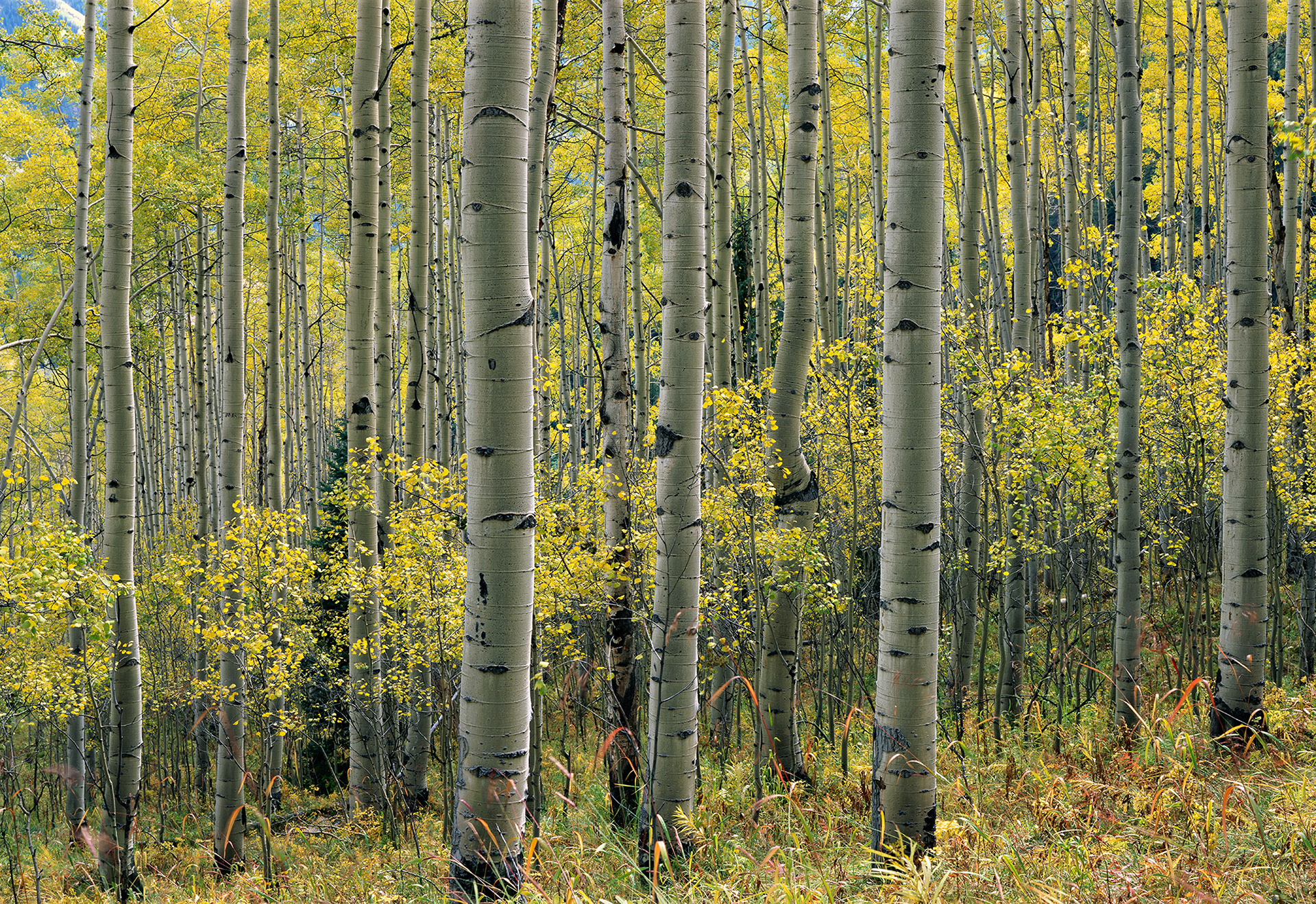
About twenty-five years ago, my principal camera was a 6cm x 9cm view camera in which I used color slide film to record images. Several images on my website were made using a view camera, including Vermillion Cliffs, Blanket of Aspens, and Badwater Sunrise Reflections. I carried a view camera during a several week trip to Morocco and used it take some of the images on this site, including Dades Gorge and Monkey's Feet.
In about 2005 I realized that the benefits and flexibility of digital cameras made them a better tool than a view camera, for me. Most of the images on this website were taken using digital cameras. IMHO, what's more important than the camera used or capturing an image on film or digitally is the photographer's visualization and creative process.
3. Image Processing and Print-Making.
Experience in how and when to use, and how and when not to use, today's software for developing digital prints also makes a significant difference in print quality. All prints that I sell are made by performing color corrections, contrast control, adjusting tonal range (from light to dark) and slight digital “sharpening” in various software and then printing the digital file on a large format printer.
4. A Note About Use of AI and Photographic Reality.
I do not digitally alter through use of AI the subject content of any of the images and prints I sell. I do, however, use software to spot or to remove dust spots that were on a sensor and I use software to increase the file size of larger prints to maintain sharpness and reduce noise before uploading the images to the lab to be printed. Ansel Adams and other traditional darkroom printers traditionally spotted prints using touch up paint on final prints (and apparently made other changes such as obscuring graffiti that scarred a landscape). My objective is to present images that I saw in real life during my initial visualization and to make them appear in print as I saw them.
All photography is selective -- one selects what to include and not to include in a frame; one selects how to expose either film or a digital capture; and one then selects how to "develop" the image (either traditionally in a darkroom using contrast masks, particular paper types and developer combinations and techniques like dodging and burning) or using digital software. Given all of the selections that photographers make and have made since the beginning of photography, photographs do not present one valid reality. Another person photographing the same scene at the same time could have presented a different, also valid, reality. I consider a photograph successful if it presents a clear viewpoint that evokes a strong emotional reaction. I personally do not like images that are overly processed and appear fake, causing me to doubt that anything like the subject matter or the light depicted existed at an actual moment in time. All of my images and prints existed in the real world if you were in the same location when I was there and if you selectively saw the scene the way I did.